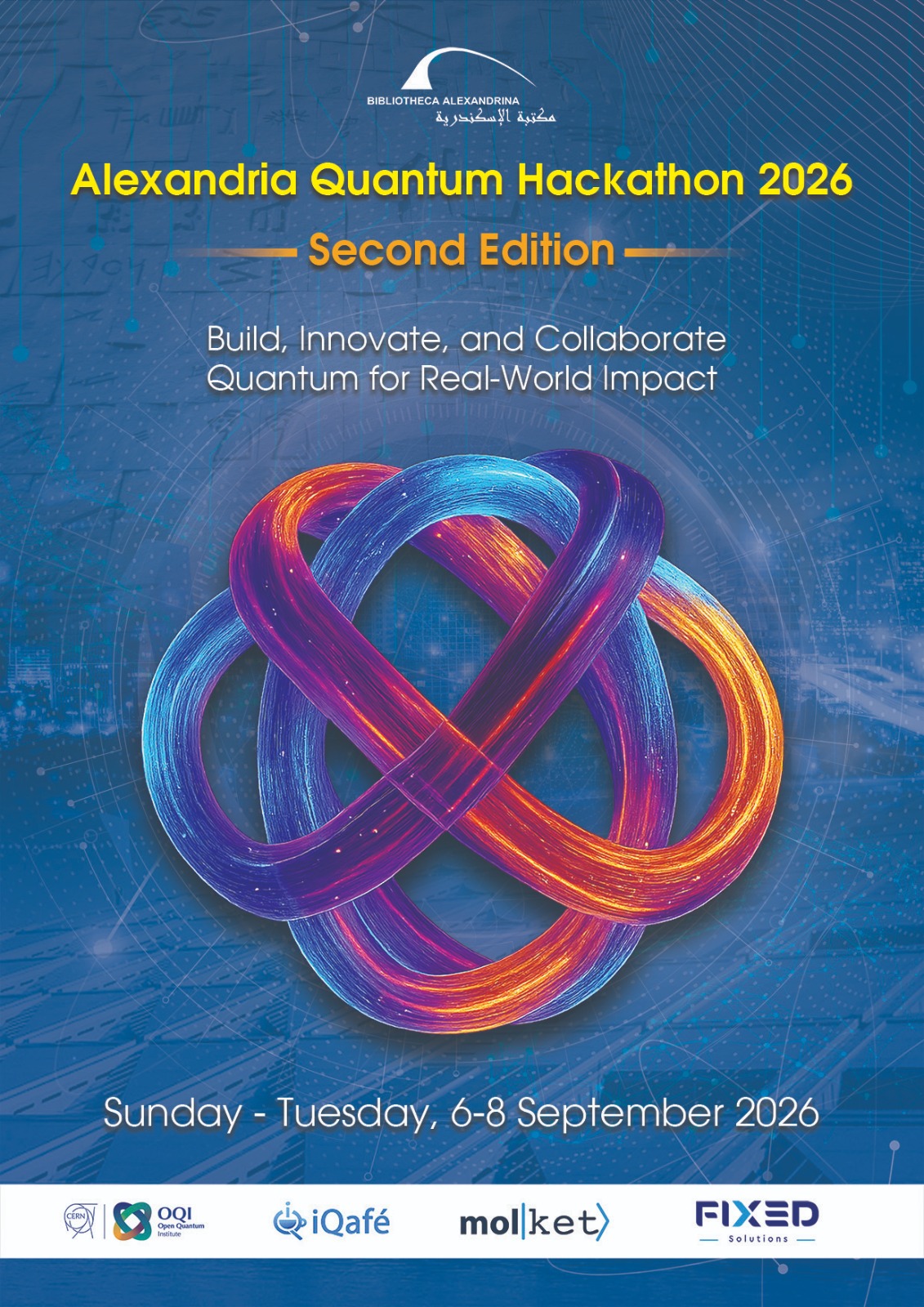
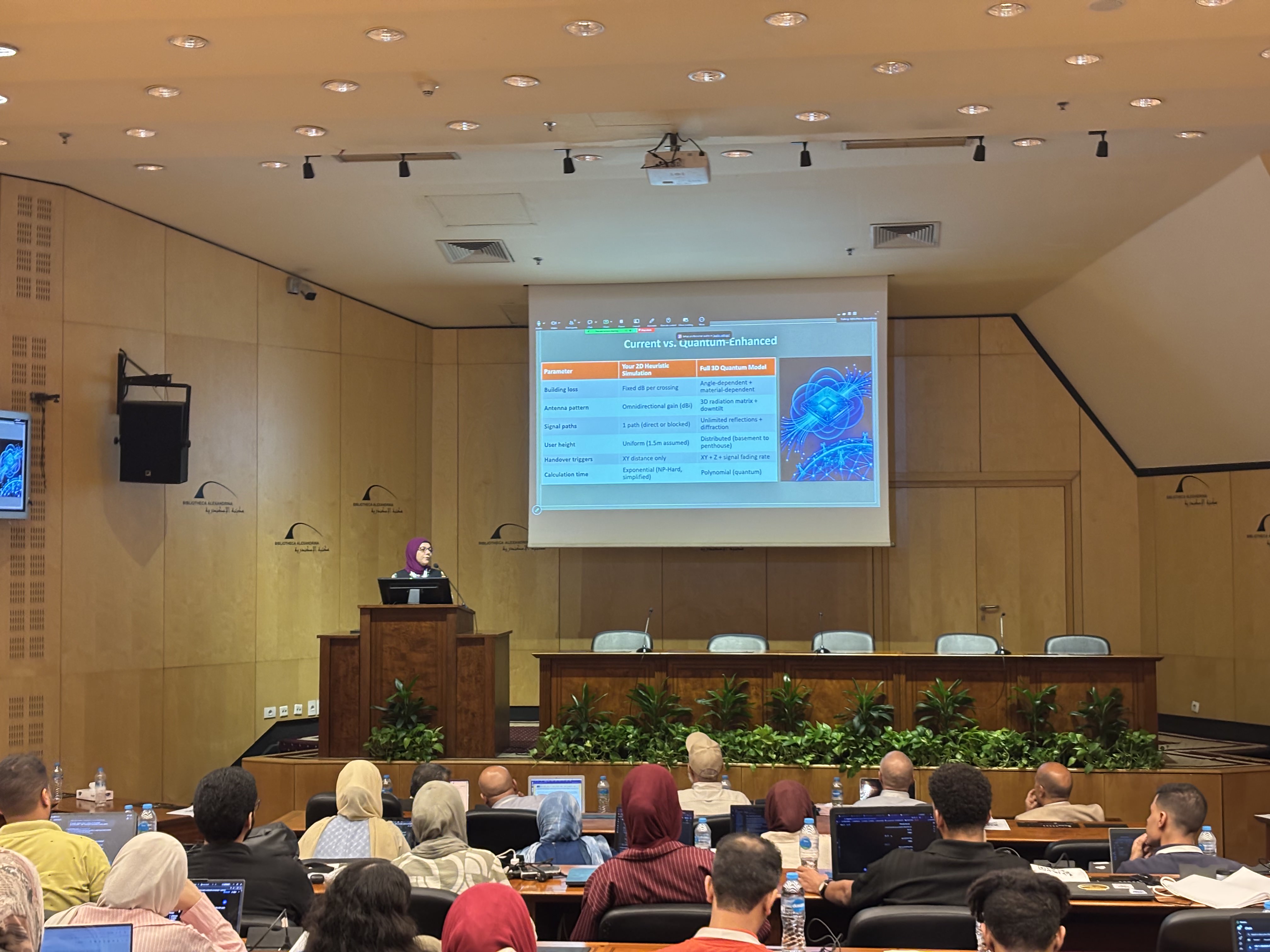
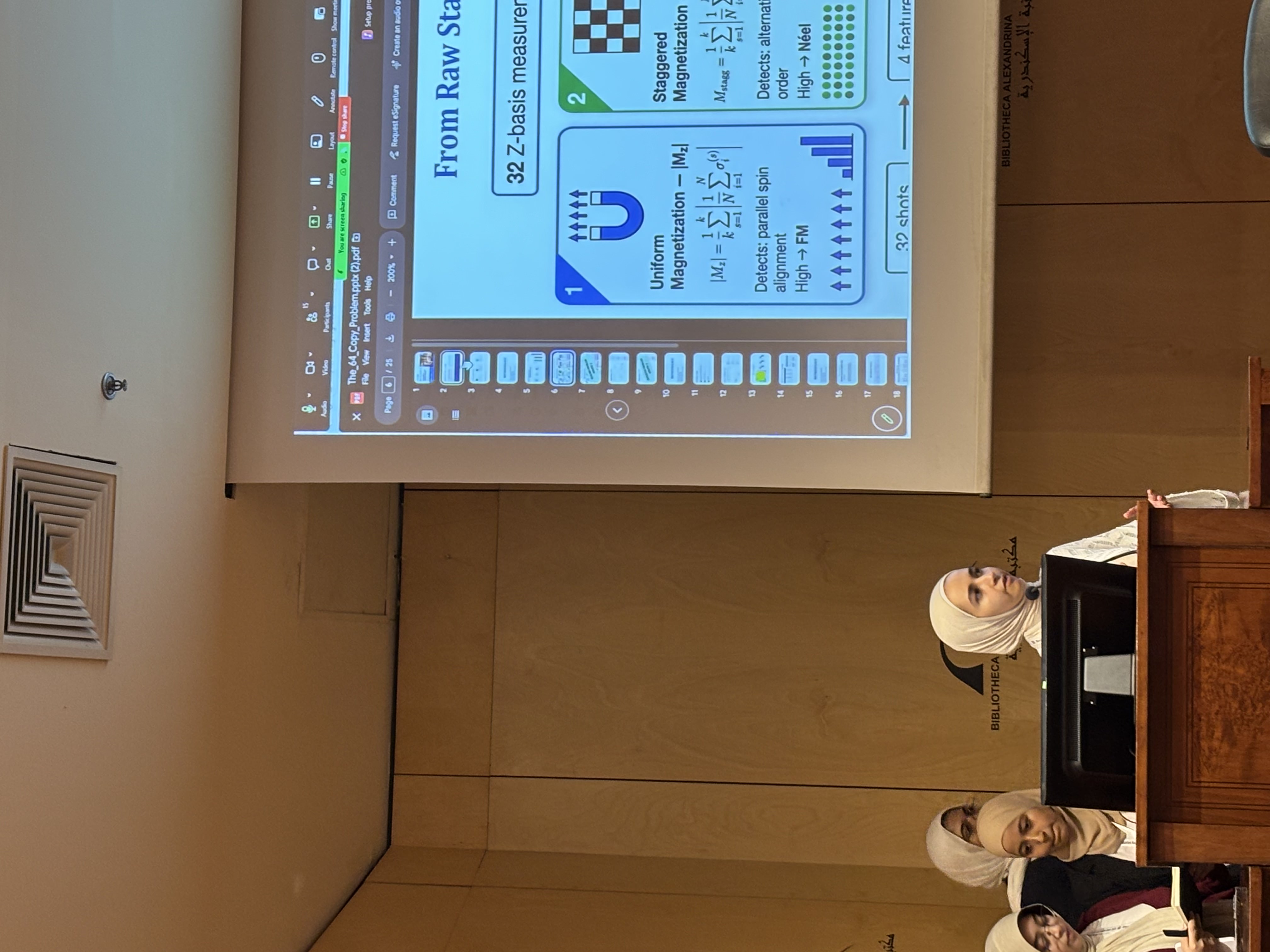
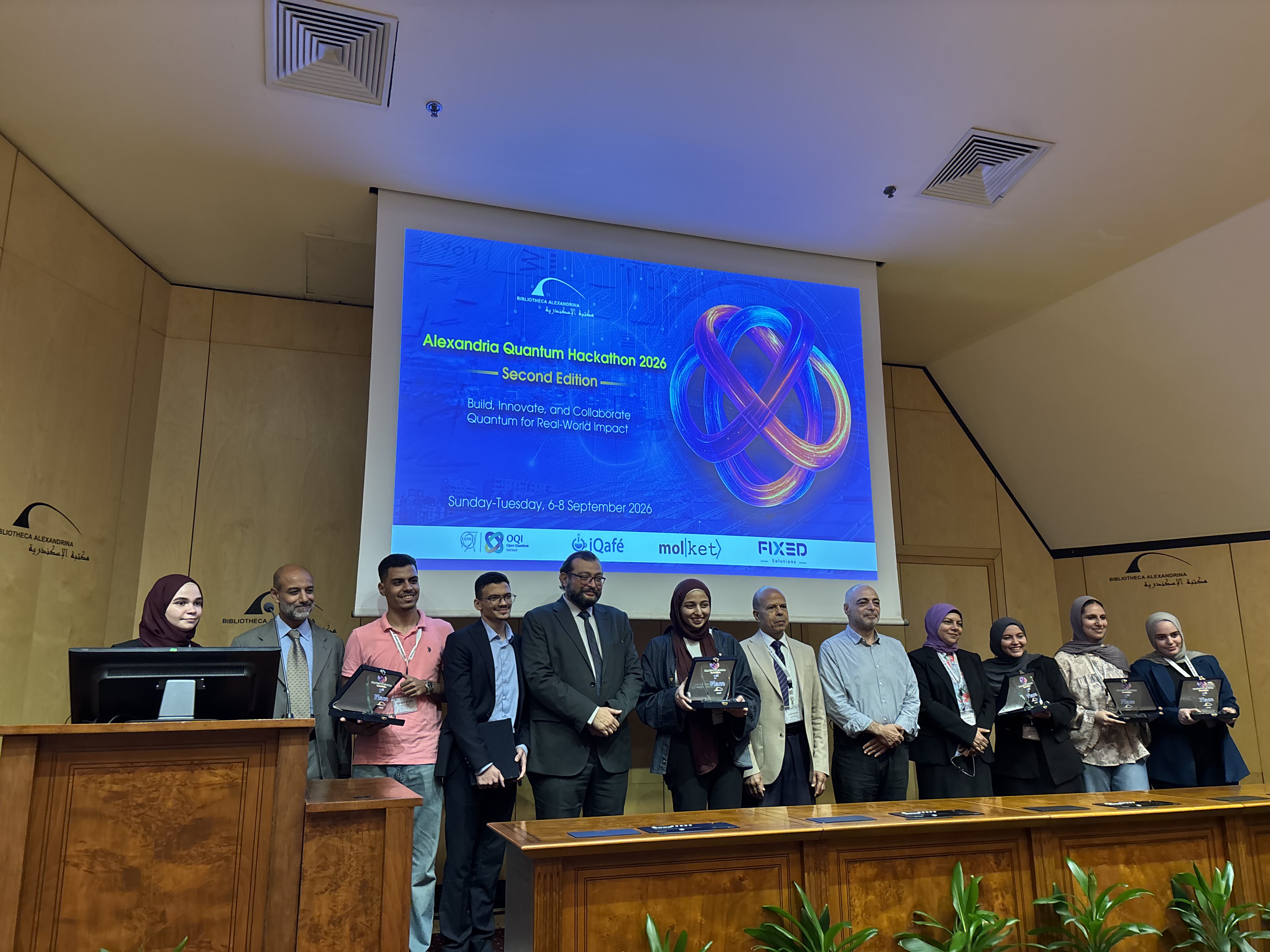
The Alexandria Quantum Hackathon 2026 brings together emerging talents, researchers, industry experts, and international partners to accelerate quantum innovation in Egypt and the wider MENA region.
The inaugural edition was organized by Bibliotheca Alexandrina, iQafé, Fixed Solutions, and the Open Quantum Institute, with support from IBM Quantum.
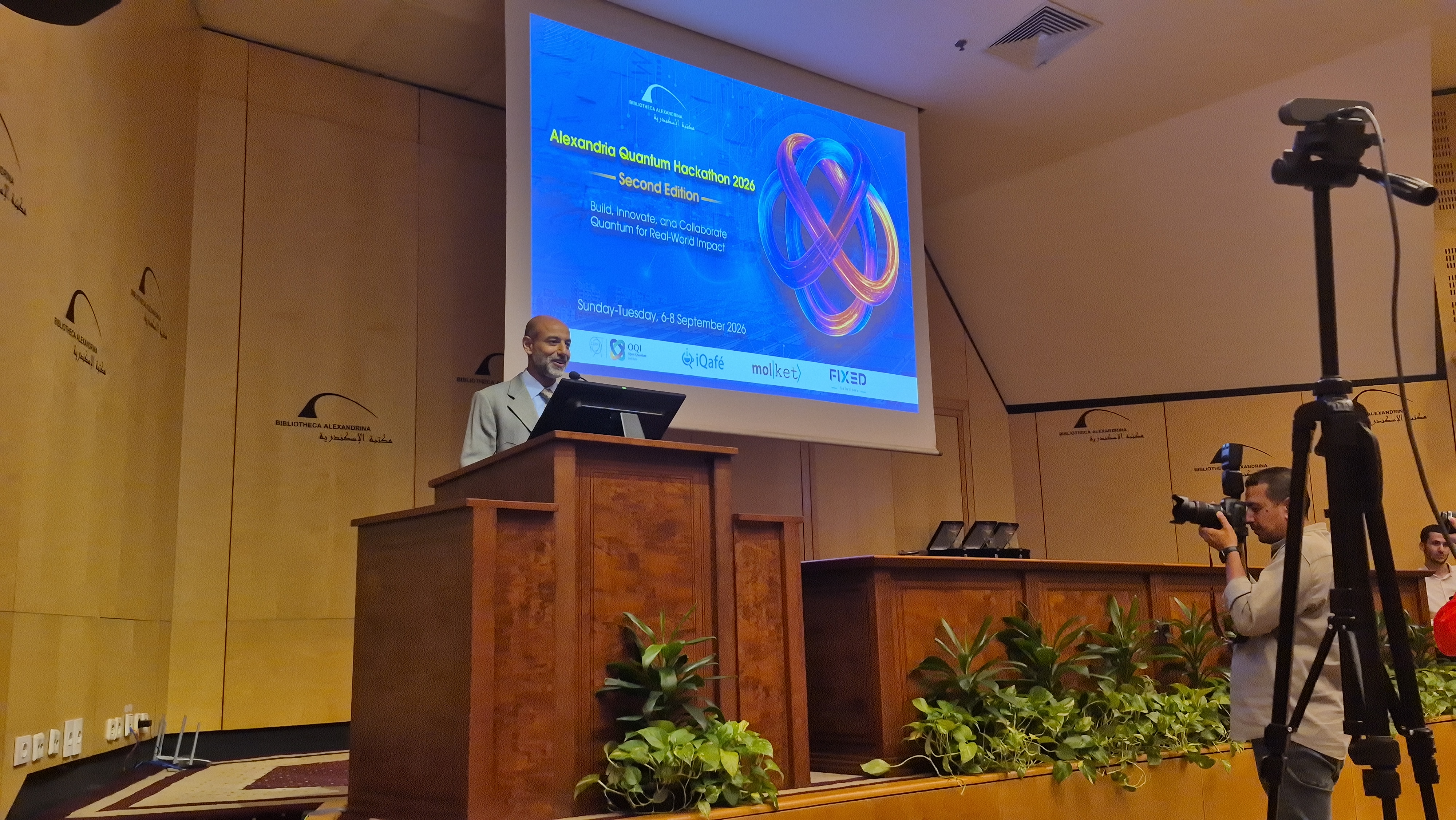
The three-day program ran September 6–8, 2026 at the Bibliotheca Alexandrina. The agenda and program below document its sessions and speakers.
The Alexandria Quantum Hackathon 2026 aims to bring together emerging talents, researchers, industry experts, and international partners to accelerate quantum innovation in Egypt and the wider MENA region.
Building on the success of its inaugural edition, the second edition expands its international participation and industry engagement.
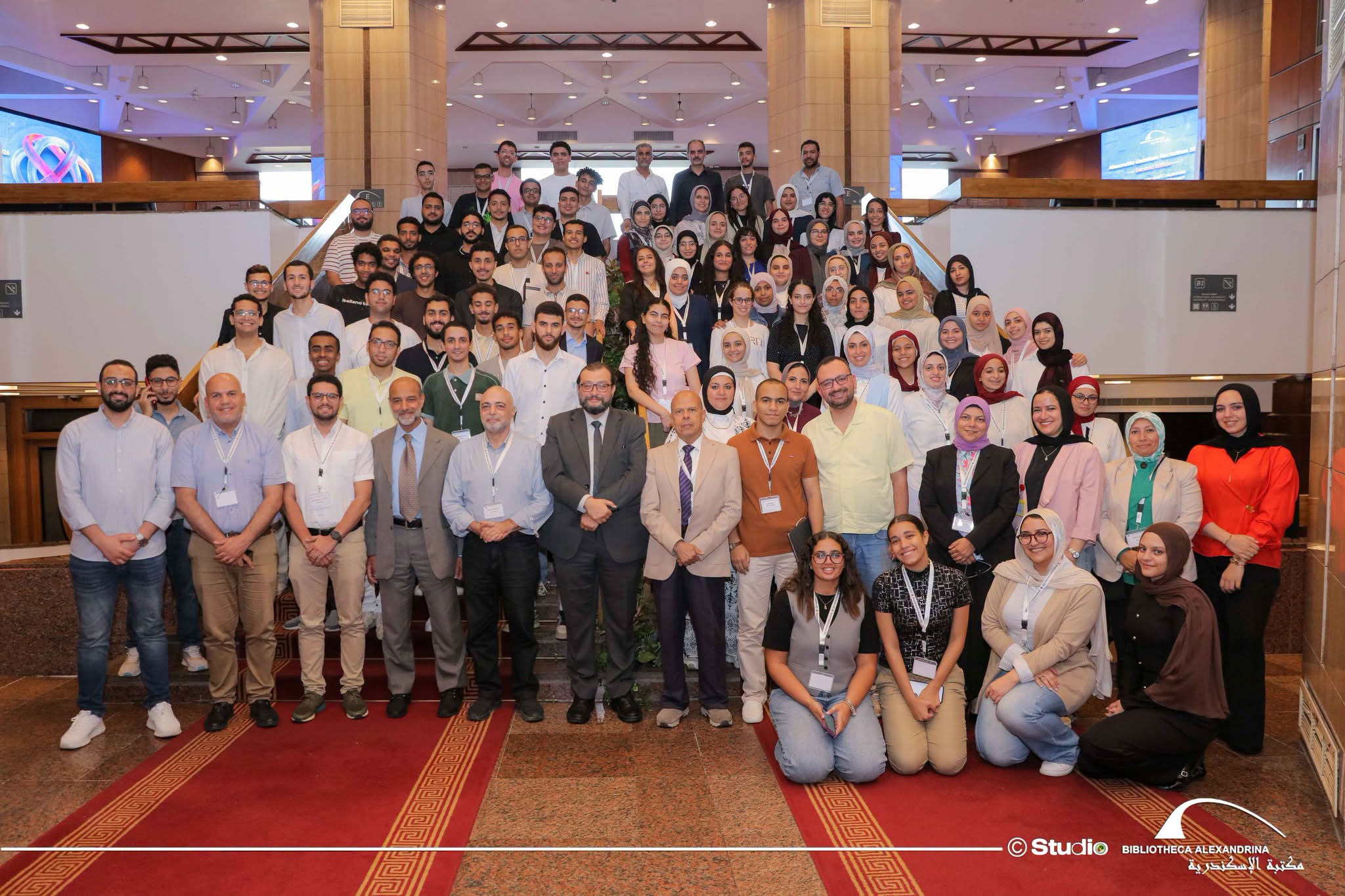
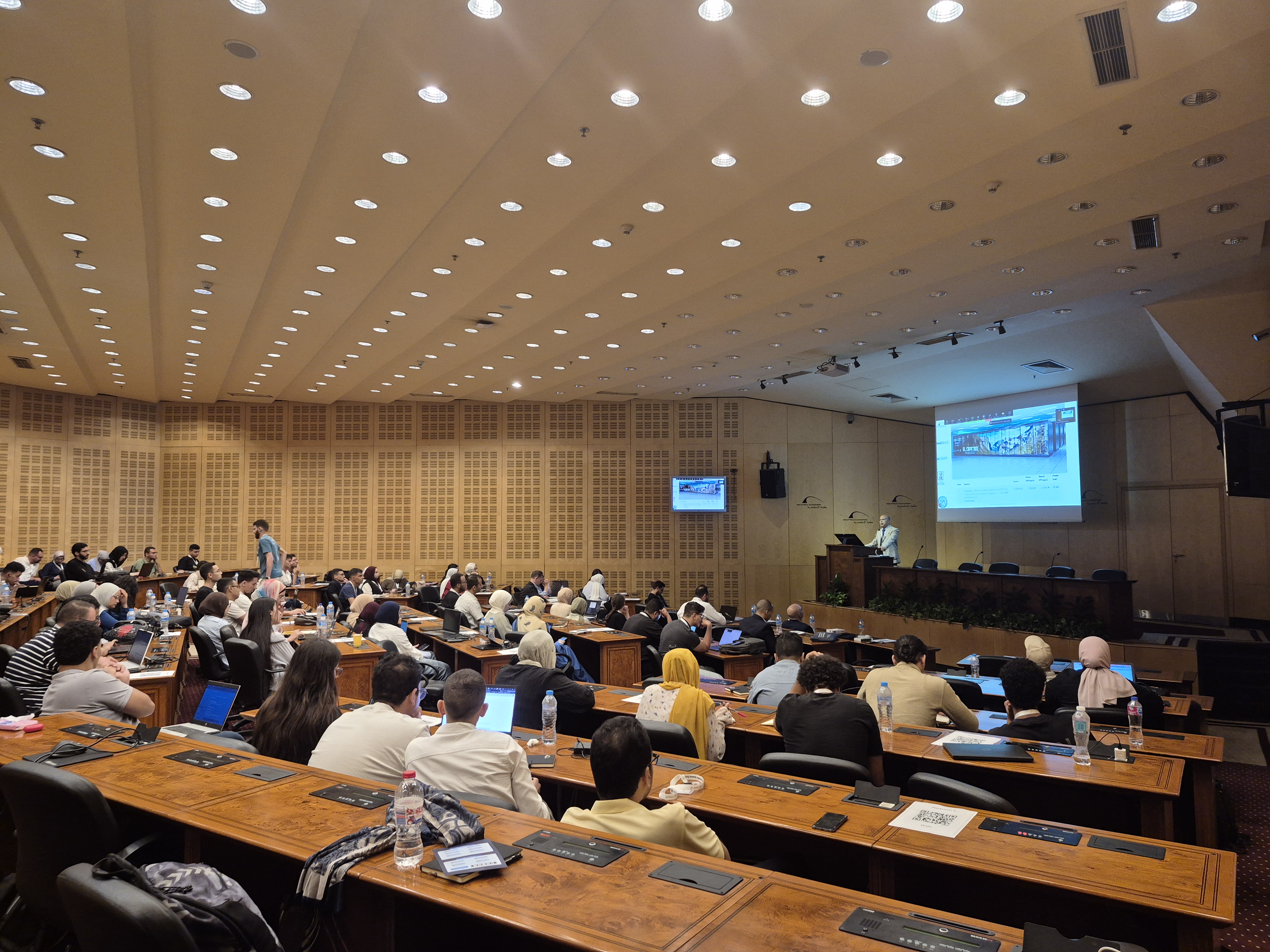
Hosted at the Bibliotheca Alexandrina, the event is designed to welcome approximately 90 participants, supported by mentors, researchers, speakers, and industry representatives.
Participants will tackle real-world challenges across four tracks:
Quantum Simulation: Molecular modeling and quantum chemistry.
Quantum AI: Hybrid quantum-classical machine learning for healthcare.
Quantum Cryptography: Quantum-safe communications and cybersecurity.
Quantum Hardware: Superconducting qubit chip design and optimization.
The program combines hands-on technical challenges, expert-led sessions, mentoring, and an Alexandria Quantum Summit connecting academia, industry, and policymakers.
Aligned with the United Nations Sustainable Development Goals (SDGs), the initiative seeks to strengthen quantum education, encourage international collaboration, and advance Egypt's position in the global quantum ecosystem.
What happened over three days
The program brought together opening talks, quantum technology sessions, team work, mentoring, and final presentations at the Bibliotheca Alexandrina.
Day 1 — Sunday, September 6
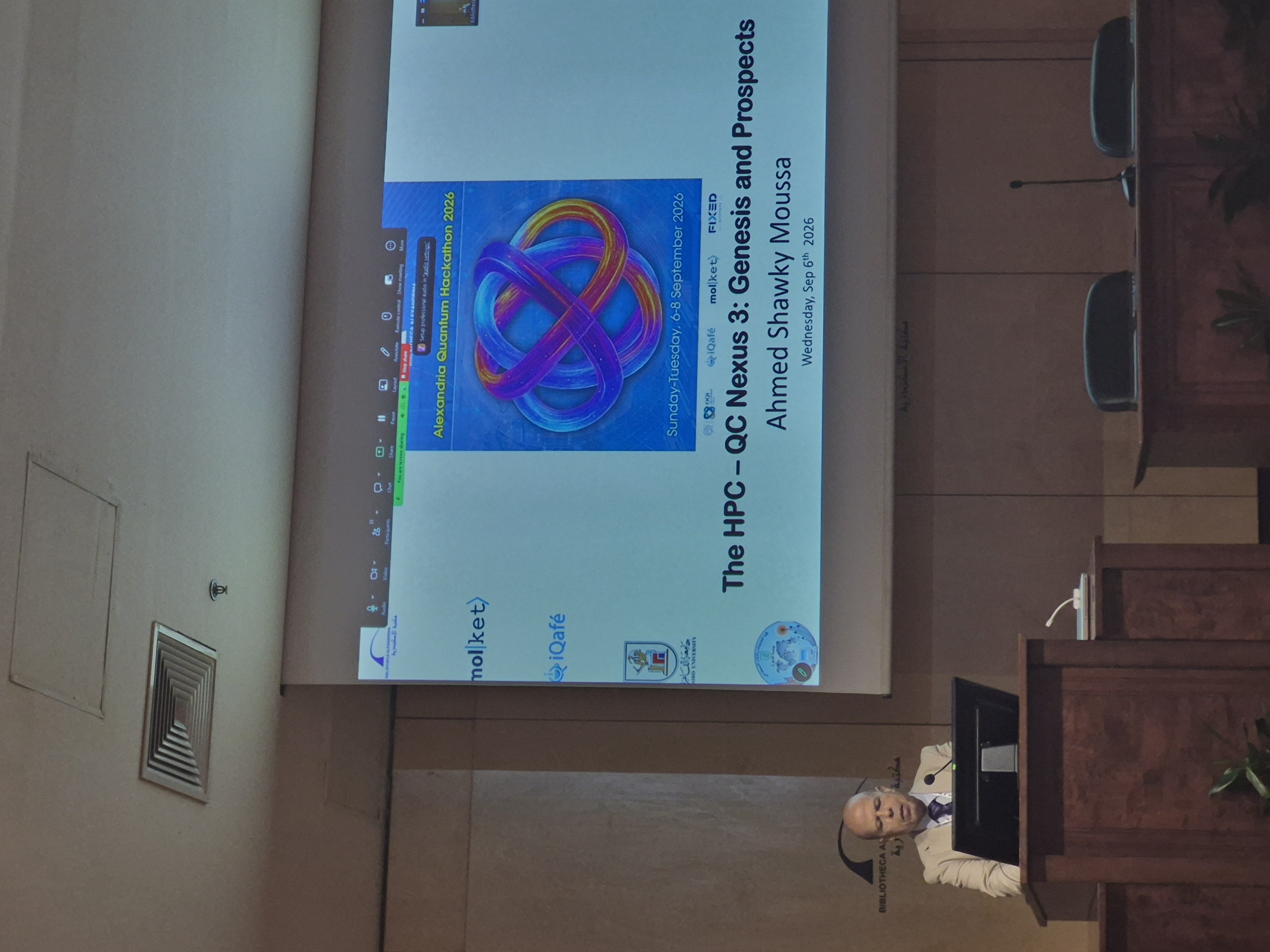
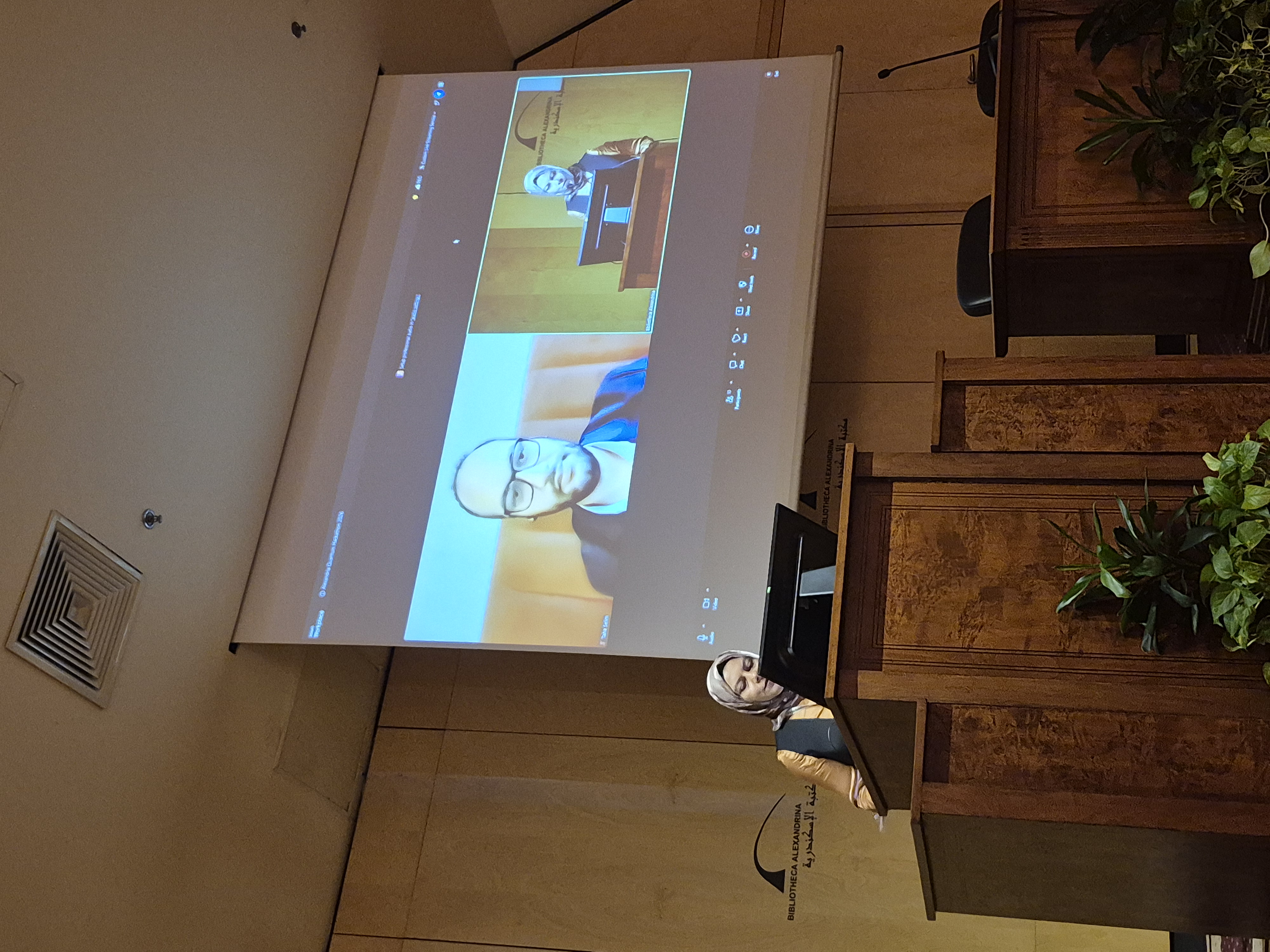
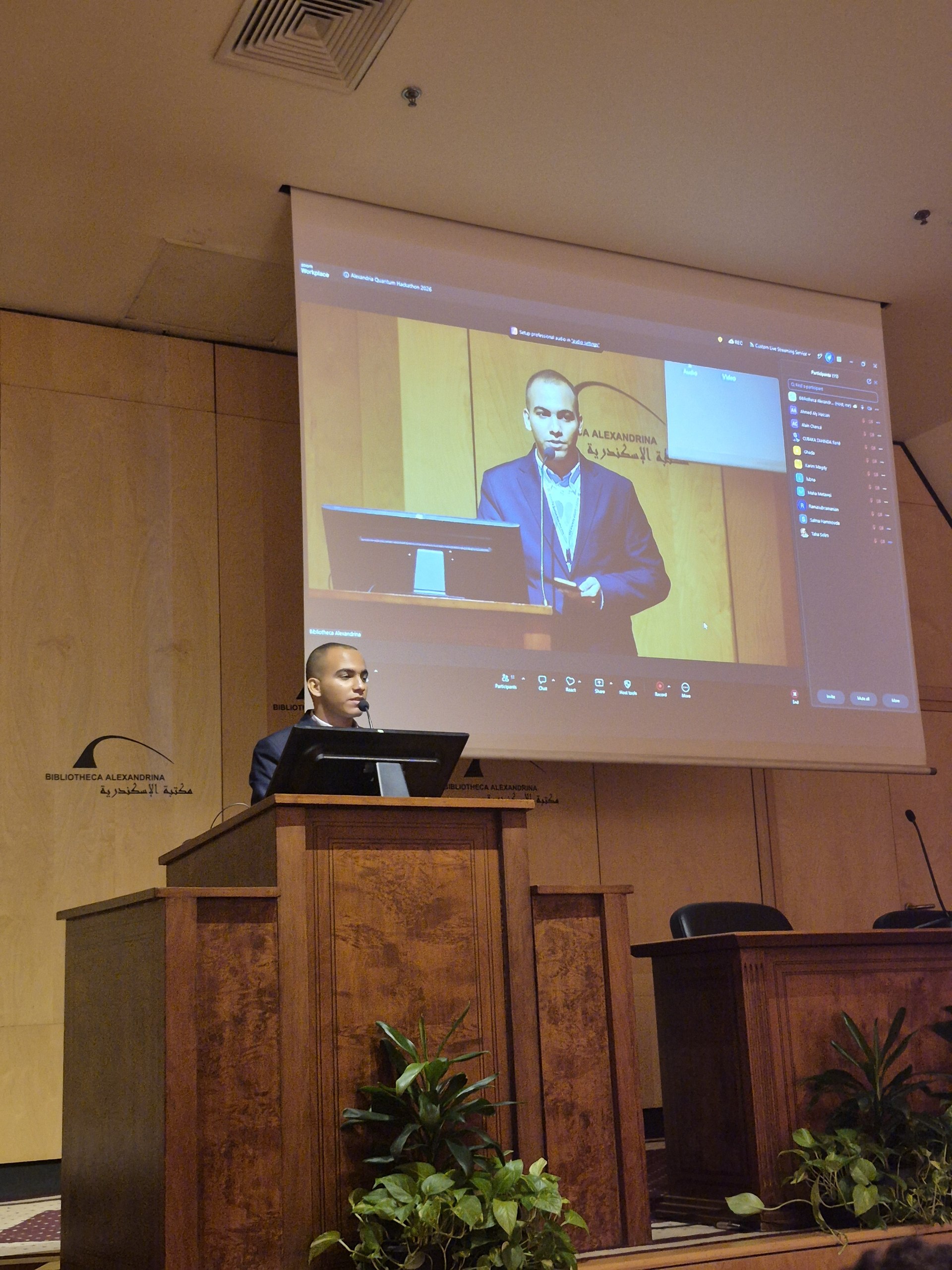
Participants arrived for registration and a welcome breakfast before the opening ceremony and talks. The program introduced the hackathon and community activities, then explored the Quantum AI Nexus, quantum HPC, quantum computing and AI, and state-of-the-art applications.
After lunch, social networking, and a summit visit, sessions covered sample-based quantum diagonalization, quantum photonics, post-quantum cryptography, and building the quantum future.
Day 2 — Monday, September 7
Teams prepared for the hackathon and attended talks on linear photonics, quantum for 5G and 6G networks, quantum computer principles and applications, and quantum robotics.
The afternoon included intensive team work with mentors, a quantum photonics session, and a discussion of the quantum computing landscape in Egypt and Africa. The day concluded with quantum board games.
Day 3 — Tuesday, September 8
Teams prepared and rehearsed their presentations before presenting their final projects. The program then included judging deliberations, the announcement of winners, and closing remarks.
Speakers & contributors
Names and affiliations below follow the event agenda.
Sunday, September 6
Prof. Dr. Ahmed Zayed — Director, Bibliotheca Alexandrina
Dr. Ahmed Samir — Head, ICT Sector, Bibliotheca Alexandrina
Eng. Youssef Eldakkar — Director, International School of Information Science, Bibliotheca Alexandrina
Mr. Alain Chancé — President, MolKet SAS
Prof. Dr. Ahmed Shawky Moussa — Professor of Computational Sciences, Cairo University
Eng. Sameh Zaghloul — CTO, Fixed Solutions Group
Dr. Taha Selim — General Manager, MolKet SAS; co-founder, iQafé
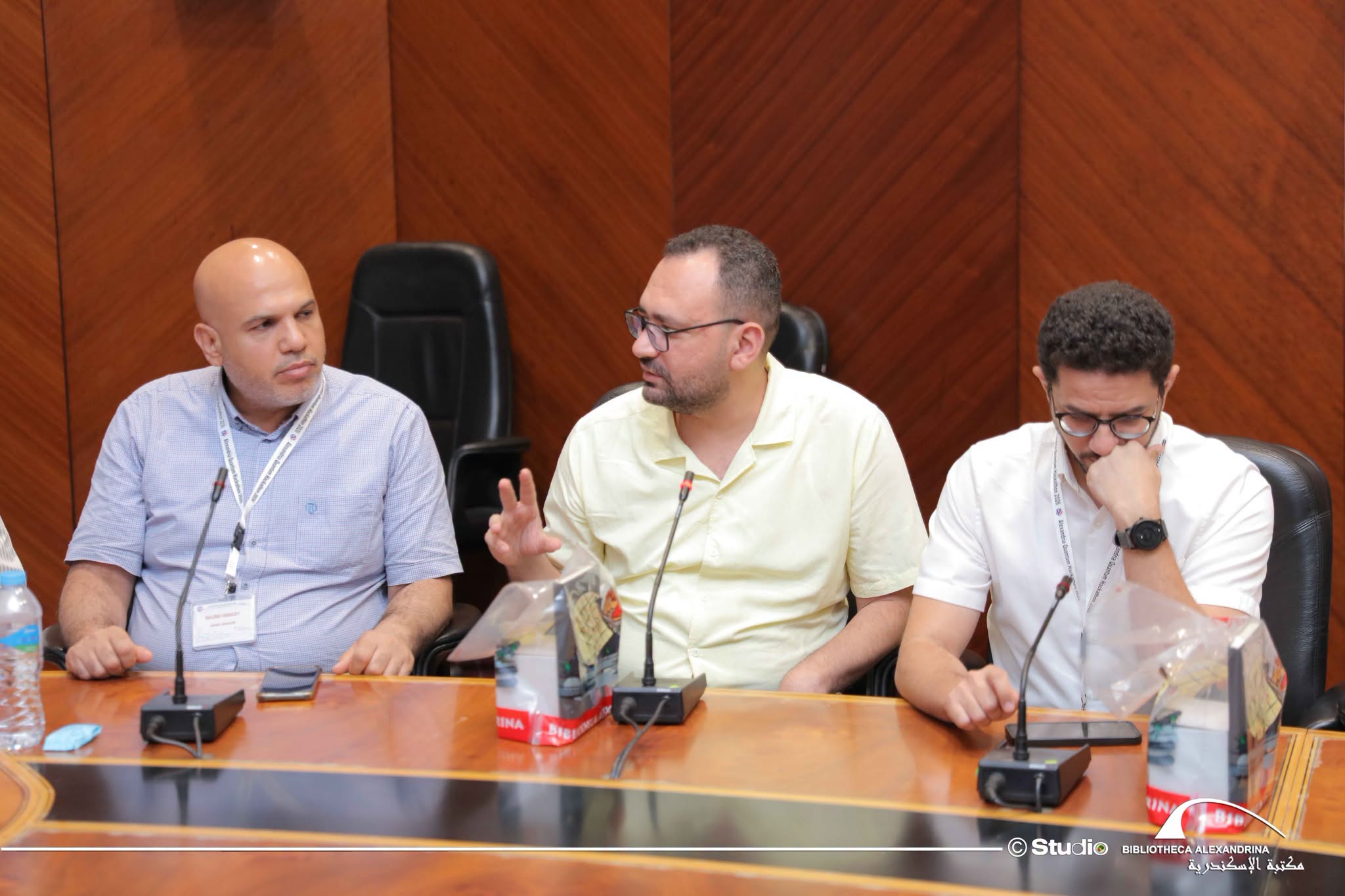
Dr. Salem Hegazy — Associate Professor of Quantum Photonics, Cairo University and Nile University
Eng. Ahmed Sleem — IBM Quantum Ambassador
Monday, September 7
Dr. Ahmed ElMahdy — Nile University
Dr. Asmaa Safaan — National Telecommunications Institute
Prof. Dr. Wahied Gharieb Ali Abdelaal — Dean, Institute of Aviation Engineering and Technology; Professor Emeritus of Control Engineering & Robotic Systems, Ain Shams University
Eng. M. Al-Bitar — Mena Robotics
Dr. Dina Eissa — Postdoc, Indiana University, Indianapolis University
William Slater — CEO, Slater Technologies
Tuesday, September 8
Eng. Youssef Eldakkar — Opening remarks
Prof. Dr. Ahmed Shawky Moussa — Opening remarks
Dr. Asmaa Safaan — Opening remarks
Omar Sobhy — Hackathon organization
Dr. Ahmed Samir, Eng. Sameh Zaghloul, and Dr. Taha Selim — Closing remarks
Attendees & teams
Participants & audience
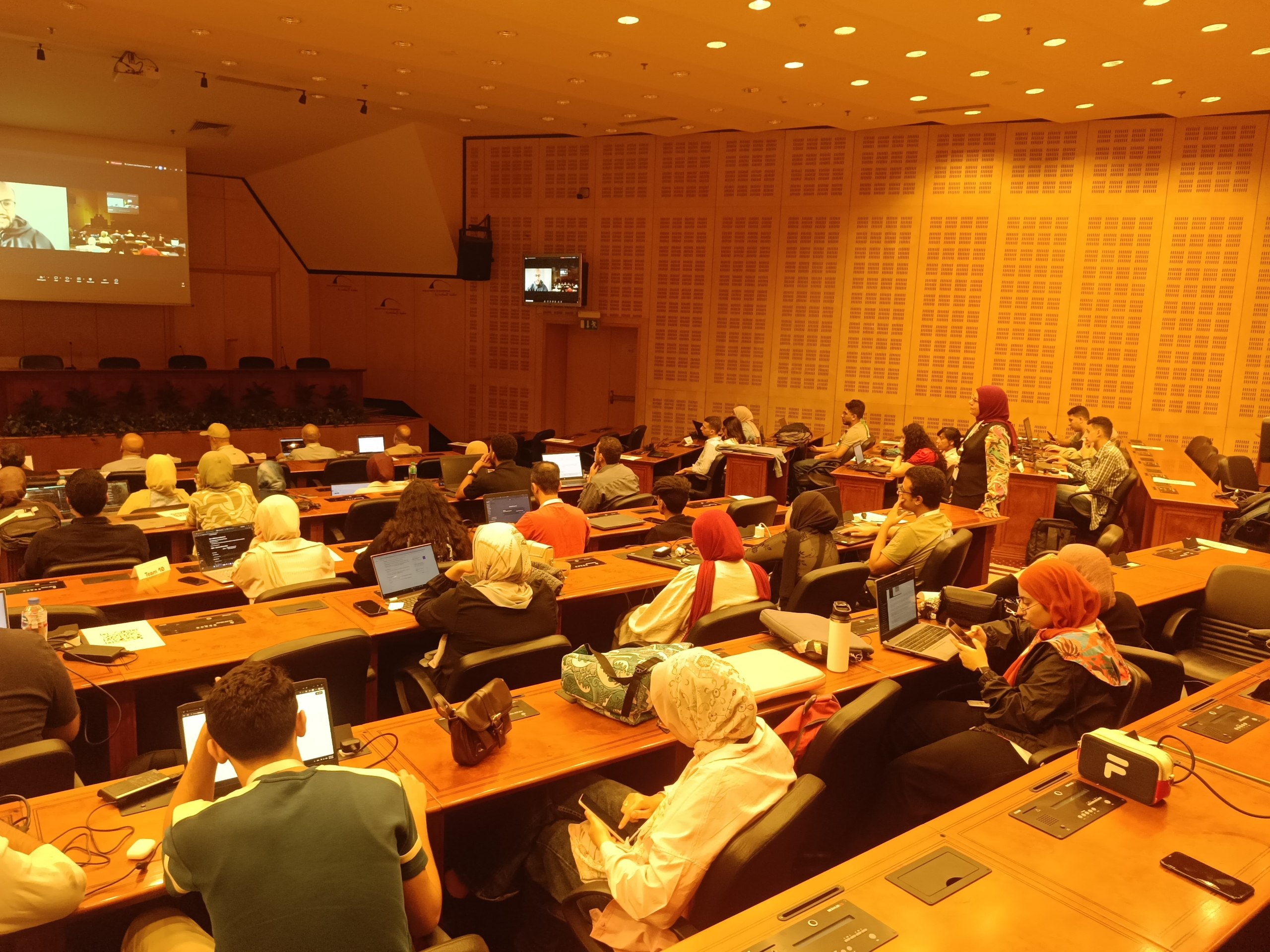
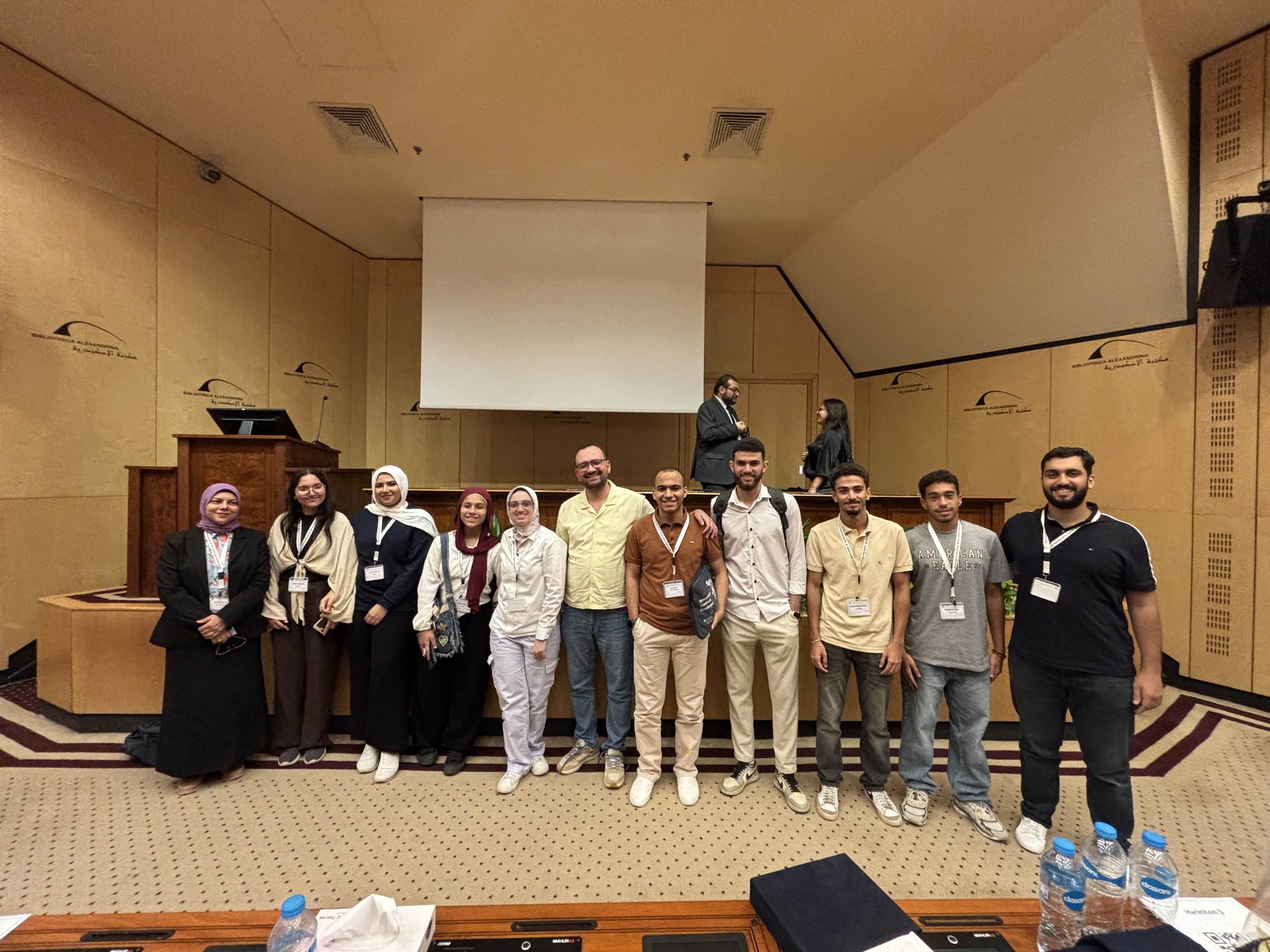
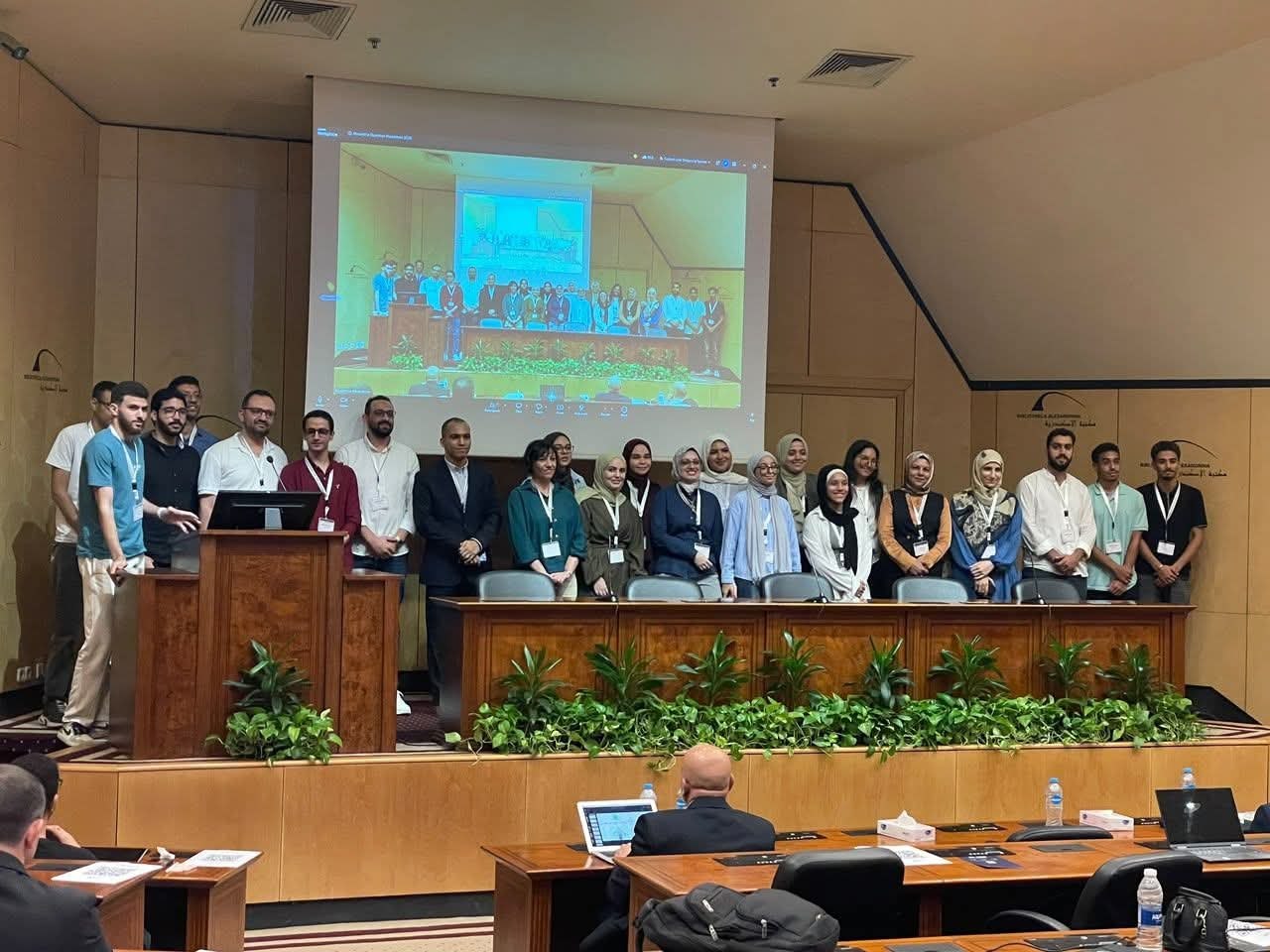
Around 200 people attended on site, with an online audience of 10,000+.
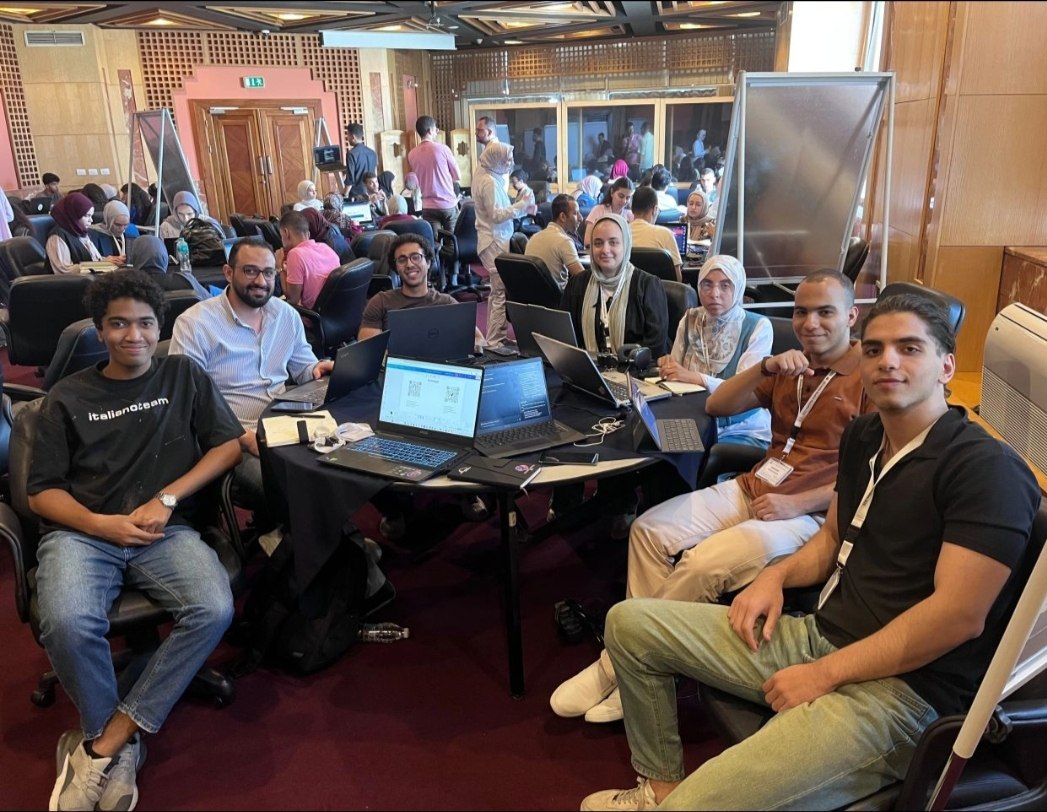
Participants were joined by mentors, researchers, speakers, and industry representatives.
Teams
Team names, members, and their project or challenge assignments will be added once supplied for publication.
Names, affiliations, and event responsibilities will be added for the organizing team, speakers, mentors, volunteers, and judging panel.
People and affiliations pending
Challenge problems
1. Quantum Simulation
Simulating Excited States of Molecules
Explore quantum chemistry by simulating the electronically excited states of ethylene using the Variational Quantum Eigensolver (VQE) and Quantum Subspace Expansion (QSE). Participants will investigate quantum algorithms for molecular modeling and photochemical processes.
2. Quantum AI & Machine Learning
Quantum-Enhanced Brain Cancer Classification
Develop a hybrid classical-quantum machine learning model to classify brain cancer subtypes using high-dimensional gene expression data. The challenge explores the potential of quantum computing in medical diagnostics and precision healthcare.
3. Quantum Cryptography & Secure Communications
Protecting Critical Digital Infrastructure
Design a quantum-safe communication system connecting Cairo and Alexandria data centers. Participants will combine post-quantum cryptography, quantum key distribution, quantum random number generation, and temporal authentication to protect sensitive data against emerging quantum threats.
4. Quantum Hardware Design
Designing and Optimizing a 5-Qubit Chip
Use Qiskit Metal to design and optimize a superconducting 5-qubit quantum processor layout. Participants will explore chip architecture, electromagnetic constraints, qubit connectivity, and hardware optimization.
From molecular simulation and healthcare to cybersecurity and quantum hardware, these challenges connect quantum innovation with practical applications and the United Nations Sustainable Development Goals (SDGs).
Projects, results & recognition
Solutions & demonstrations
Project summaries, team credits, repositories, slides, and demonstration links will be collected here.
Project materials pending
Awards & outcomes
Confirmed awards, judging outcomes, and follow-up opportunities will be documented here.
Results to be verified
Hackathon success statistics
Hackathon
Reported figures for the Alexandria Quantum Hackathon. Approximate counts are shown as reported.
On-site participants
~200
Online audience
10,000+
Mentors
27
Judges
9
Participating teams
14
Projects pitched
14
Gender
47.2% female; 52.8% male.
Female 47.2%
Male 52.8%
Education level
52.8% undergraduate, 31.9% bachelor's, 13.9% master's, and 1.4% PhD.
Undergraduate 52.8%
Bachelor's 31.9%
Master's 13.9%
PhD 1.4%
Fields of study
IT 50%; engineering 25%; quantum-related studies 11.1%; physics 6.9%; mathematics 1.4%; business 1.4%; other fields 4.2%.
IT 50%
Engineering 25%
Quantum-related 11.1%
Physics 6.9%
Mathematics 1.4%
Business 1.4%
Other 4.2%
Pre-hackathon
Pre-event training and qualification assessment figures are reported separately from the hackathon.
Training applicants
200
Assessment completions
123
The assessment notes that these 123 participants completed an in-house qualification assessment, not a QWorld certification.
Gender
50.4% female; 49.6% male.
Female 50.4%
Male 49.6%
Education level
61% undergraduate, 26.8% bachelor's, 10.6% master's, and 1.6% PhD.
Undergraduate 61%
Bachelor's 26.8%
Master's 10.6%
PhD 1.6%
Fields of study
IT 43.1%; engineering 28.5%; other 12.2%; physics 8.1%; quantum-related studies 5.7%; business 1.6%; mathematics 0.8%.
This is the organization's general page, not an event-specific source. Event details have not yet been verified against LinkedIn posts; direct post links will be added alongside the supplied materials.